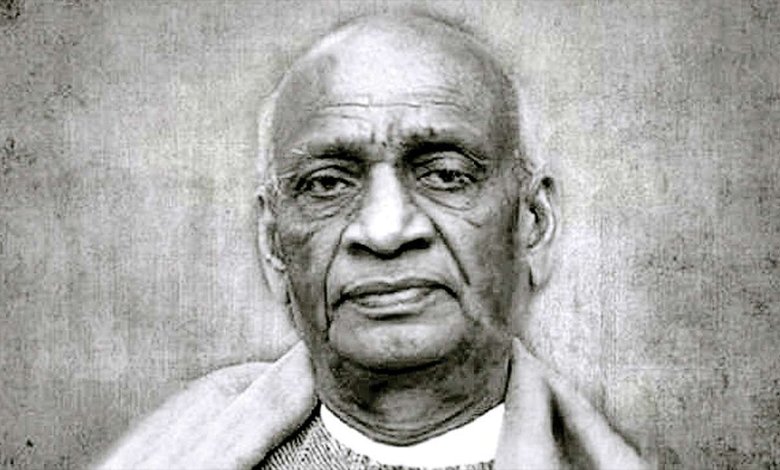
Arka Sana: When we speak of India’s post-independence history, two names dominate the narrative — Mahatma Gandhi and Jawaharlal Nehru. Yet, Sardar Vallabhbhai Patel, known as the Iron Man of India, played the most crucial role in shaping the nation’s unity and administrative framework. His firm decision-making and political foresight helped build the India we know today.
On January 30, 1948, the assassination of Mahatma Gandhi plunged the entire nation into mourning. Amid the grief, reports surfaced that certain RSS (Rashtriya Swayamsevak Sangh) supporters had celebrated the tragic news. Deeply disturbed by this reaction, Sardar Patel, then Deputy Prime Minister and Home Minister, made a historic and controversial move — he banned the RSS.
Patel was not merely a senior leader of the Indian National Congress; he was the man responsible for maintaining national integrity and internal security in a fragile, newly independent India. For him, peace and unity were non-negotiable. Reacting to the RSS’s behavior, he reportedly remarked, “Some RSS men distributed sweets after Gandhi’s death. This is intolerable.” Those words carried both emotional weight and political clarity.

Patel’s decision to ban the RSS in 1948 was not taken lightly. It stemmed from his conviction that no organization, however patriotic it claimed to be, could threaten India’s constitutional values or democratic order. He declared that any movement undermining the Constitution, the tricolor flag, or national unity would face the law’s full force.
The ban lasted for over a year. During this time, Patel demanded that the RSS commit to constitutional principles, renounce violence, and accept democratic norms. Only after the organization adopted a written constitution did Patel lift the ban — but his stance sent a lasting message about the supremacy of the Indian state over sectarian ideologies.
Beyond this episode, Sardar Patel’s contributions remain monumental. He was the architect of Indian unity — successfully integrating more than 500 princely states into the Union. Hyderabad, Junagadh, and Kashmir all found their place in India due to his political acumen and unwavering resolve. His diplomatic skill and tough negotiation tactics cemented India’s internal stability.
Many historians argue that had Patel become India’s first Prime Minister, the nation might have developed a more pragmatic and disciplined governance structure. Yet, out of respect for Gandhi’s wishes, he stepped aside for Nehru — a gesture that reflected his selflessness and loyalty to the larger cause.
Despite ideological differences with leaders like Nehru, Maulana Azad, and even Netaji Subhas Chandra Bose, Patel’s singular vision remained the same — a united India. His leadership during one of the country’s most turbulent times showcased his unmatched courage and clarity.
Today, as debates around the RSS, secularism, nationalism, and religious politics dominate public discourse, Patel’s decision stands as a timeless reminder: national security and unity must rise above partisan lines. His firmness in protecting India’s democratic soul remains a guiding light.
From establishing the Indian Civil Services to laying the foundation of modern governance, Patel’s impact endures. Even in his final years, he worked tirelessly to safeguard India’s unity and sovereignty.
His legacy lives on through the Statue of Unity in Gujarat — the world’s tallest statue — a fitting tribute to the man who built a united India. Every year on October 31, the nation observes Rashtriya Ekta Diwas (National Unity Day) in his honor.
Sardar Vallabhbhai Patel wasn’t just a leader; he was the architect of India’s unity and stability. His message still resonates — “No fire that divides a nation should ever be tolerated.”
As India moves forward amid growing polarization, the question remains: Are we following the path Patel envisioned — one of strength, harmony, and constitutional integrity? True homage to him lies not in statues, but in action.