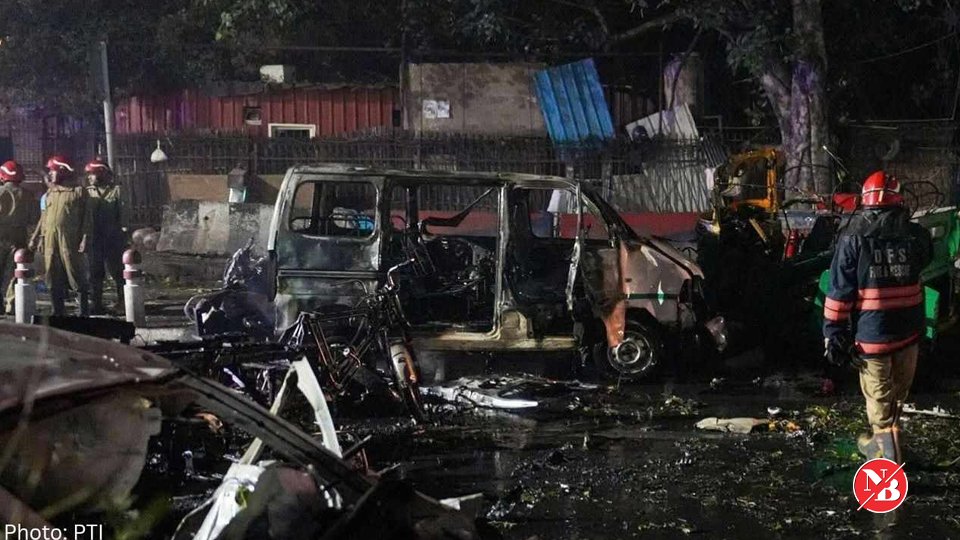
In a major breakthrough in the Delhi blast investigation, the National Investigation Agency (NIA) has arrested Amir Rashid Ali—identified as the key conspirator and close aide of suicide bomber Umar. According to the NIA, the i20 car packed with an IED and used in the explosion near Red Fort was registered in Amir’s name, confirming his central role in executing the terror attack.
This arrest marks the NIA’s first major action since taking over the Delhi blast case, and investigators believe it opens a crucial window into the wider terror network behind the deadly strike. The explosion, triggered on Monday by suicide bomber Umar, killed 10 people and left 32 others injured, shaking India’s capital and prompting swift counter-terror measures.
In its official statement, the NIA confirmed that Amir—originally from Sambura in Pampore, Jammu & Kashmir—had travelled to Delhi specifically to purchase the vehicle for the planned attack. The agency revealed that Amir and Umar jointly hatched the entire conspiracy to carry out a major terror attack in Delhi, selecting the iconic Red Fort area as the target.
NIA Cracks Delhi Blast Case: Key Conspirator Amir Arrested
Investigators said the car was stuffed with an improvised explosive device (IED), effectively converting it into a mobile bomb. Once the explosives were assembled, Umar drove the vehicle to the designated spot near Red Fort and triggered the blast, causing widespread devastation.
The NIA’s breakthrough came after an intensive search operation across several locations in the National Capital Region. On Sunday, after gathering actionable intelligence, NIA teams arrested Amir from Delhi itself. Officials believe his custodial interrogation will shed light on financing channels, logistical support, and the larger network involved in the attack.
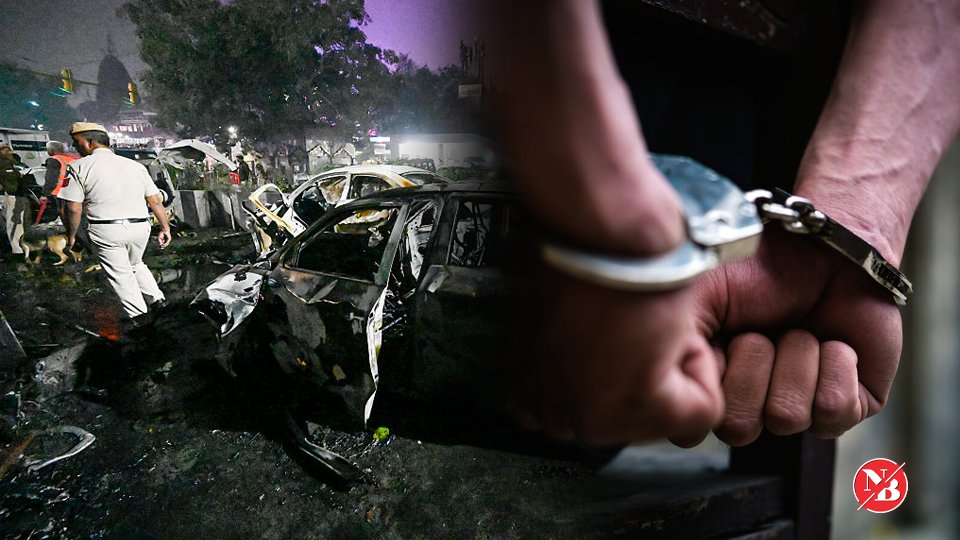
Delhi blast investigation sources suggest the terror module may have links extending beyond J&K, a possibility the NIA is now aggressively probing. The agency is also studying digital footprints, communication patterns, and cross-border connections that may have played a role in coordinating the strike.
Senior security officials described the attack as a “well-planned suicide mission,” executed with precision. The use of a personally registered car, they say, highlights a disturbing trend where local recruits are willing to put their own identities—and lives—on the line for extremist causes.
Experts believe the arrest of Amir is a turning point in the probe. His role in arranging the vehicle, coordinating with Umar, and being present in Delhi during crucial phases of preparation points to his deep involvement. Investigators are now mapping out his movements over the past month, examining CCTV footage, phone records, and financial trails.
The Delhi blast case has sparked intense political and public scrutiny, with calls for stronger counter-terror strategies and tighter monitoring of sleeper cells. Security has been significantly heightened around key landmarks, including Red Fort, India Gate, and major metro hubs.
As the interrogation of Amir begins, the NIA is expected to bring more suspects into the net in the coming days. Officials indicated that the agency is already tracking several persons of interest believed to have assisted in assembling the IED or providing logistical support.
For now, the arrest of Amir marks a decisive step forward. But investigators warn that the real challenge lies in uncovering the full extent of the network and preventing similar attacks in the future.