As Delhi continues to grapple with severe air pollution, Kolkata is also showing worrying signs of deteriorating air quality. Environmental experts warn that the absence of strong winter conditions and weak northerly winds are allowing pollutants to accumulate over the city, making the air increasingly unhealthy—especially during early morning hours.
While western districts of South Bengal such as Purulia and Bankura are experiencing a noticeable winter chill, Kolkata is yet to feel the typical December cold, meteorologists say. The lack of sustained cold weather has reduced natural dispersion of pollutants, contributing to rising pollution levels across the city.
Environmental scientist Dr Swati Nandi Chakraborty said that although winter conditions usually help clear the air through stronger northerly winds, this year those winds have remained weak. As a result, dust particles are settling over the city, particularly in areas with heavy vehicular traffic, leading to poorer air quality.
Dry winter weather typically increases dust levels, but experts note that pollution concentrations are unusually high this year. Areas around Victoria Memorial and the Maidan are witnessing early-morning Air Quality Index (AQI) readings reaching around 146, placing them in the “moderate to poor” category.
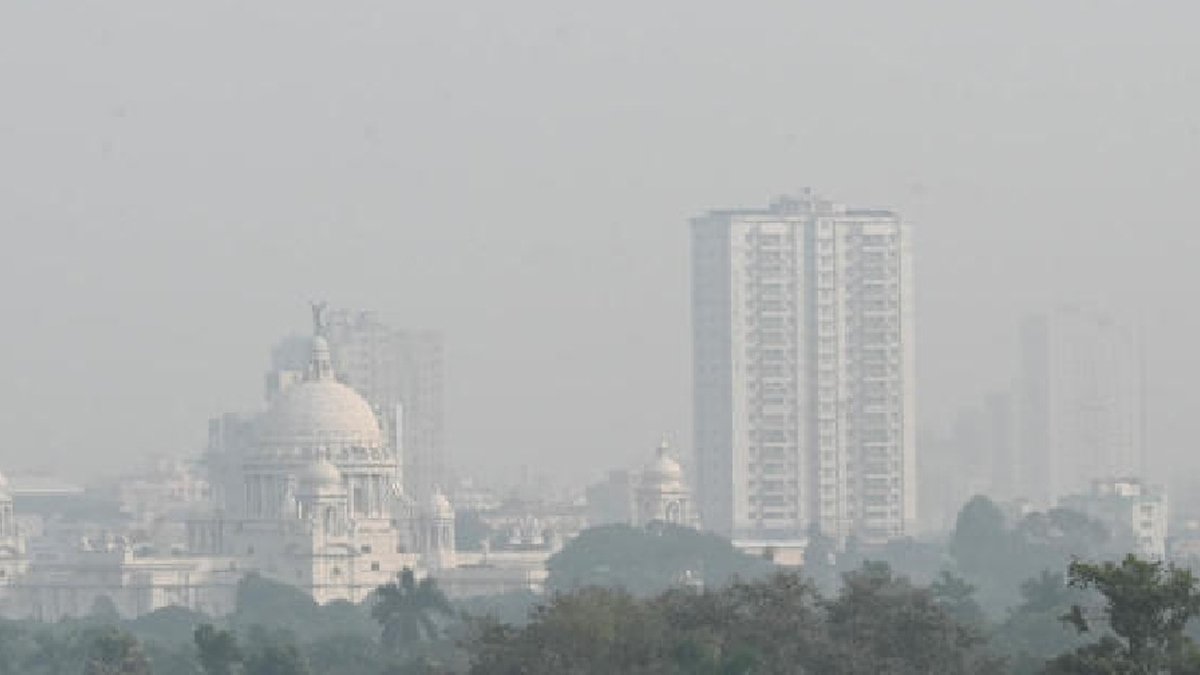
According to experts, the haze seen during early hours is not just fog but smog caused by accumulated particulate matter. Under normal winter conditions, dew helps bind dust particles and improves air quality. However, erratic winter patterns this year have reduced dew formation, allowing pollutants to remain suspended in the air.
Compared to Delhi—where AQI levels have crossed 400, falling into the “severe” category—Kolkata’s situation appears relatively better. Yet specialists caution that current AQI levels in parts of the city are exceeding 250, which is significantly above normal and poses health risks.
Doctors have also issued advisories in light of the deteriorating air quality. Dr Susmita Kundu, former head of the Pulmonary Medicine Department at RG Kar Medical College, advised residents to avoid early-morning walks during winter. She explained that colder, heavier air near the ground traps pollutants, while fog prevents them from dispersing.
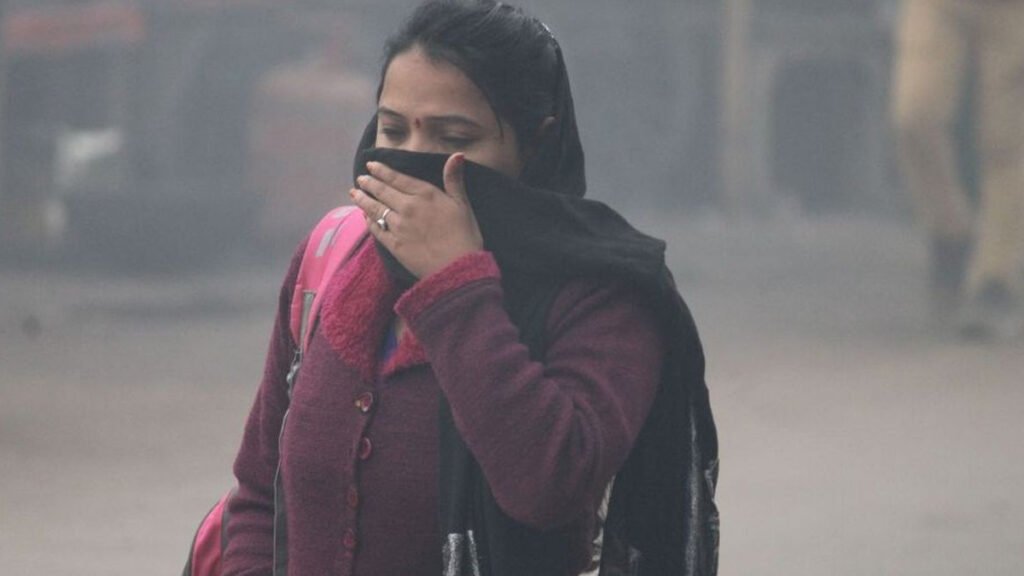
Medical experts recommend stepping out for exercise after sunrise, when air circulation improves. Those who must go out early are advised to wear masks to reduce exposure to harmful pollutants.
Environmentalists further point out that pollution levels are rising even in traditionally cleaner areas like Rabindra Sarobar. Factors such as waste burning in the mornings, an increase in roadside stalls, and ongoing metro construction work are contributing to elevated pollution in the Victoria–Maidan belt. Pollution levels remain highest from evening through early morning hours.
Experts warn that prolonged exposure to this polluted air can have serious long-term health consequences, particularly for children, the elderly, and those with respiratory conditions.