
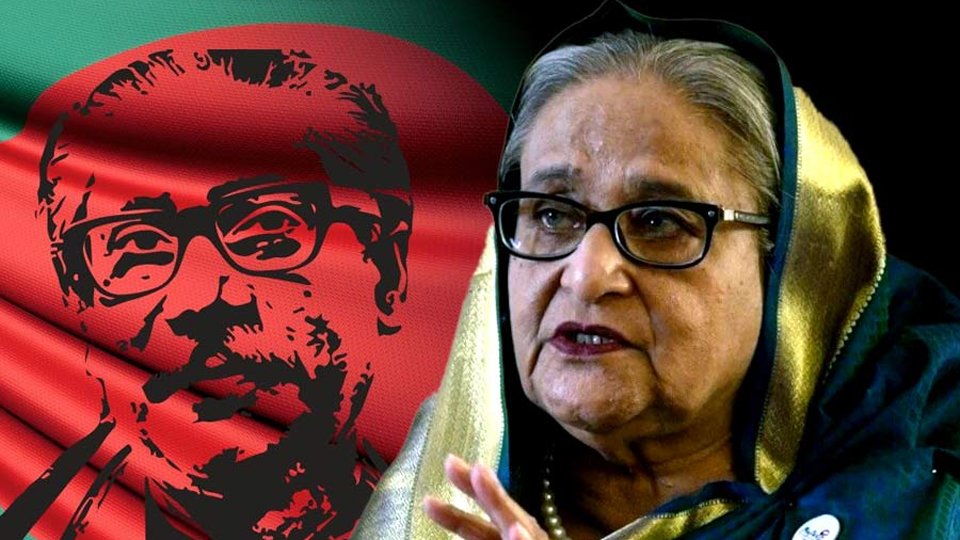
In a dramatic and historic ruling, the International Crimes Tribunal of Bangladesh has sentenced former Prime Minister Sheikh Hasina to death, finding her guilty of multiple crimes against humanity committed during the July uprising. The long-awaited verdict, spread across an extensive 453-page judgment, could reshape political dynamics across South Asia.
The three-member bench—Justice Golam Mortuza Mojumdar, Justice Mohammad Shafiul Alam Mahmood, and Justice Mohammad Mohitul Haque Enam Chowdhury—read out the full judgment on Monday afternoon. The tribunal said the evidence presented through phone call records, media reports, videos, and witness testimonies clearly established that large numbers of protestors were killed under administrative and political directives.
Justice Mojumdar stated, “After examining the calls, reports, videos and investigative findings, it is evident that many protestors were killed. Sheikh Hasina’s role in these killings is proven.”
Alongside Hasina, two other senior figures were charged—former Home Minister Asaduzzaman Khan and former Inspector General of Police Chowdhury Abdullah Al-Mamun. While Hasina and Asaduzzaman are currently absconding in India, Al-Mamun is under custody.
The tribunal emphasized that crimes against humanity were committed, and all three held responsibility. Al-Mamun, who turned state witness, confessed to his involvement, which the tribunal described as heinous but said his cooperation would be considered during sentencing.
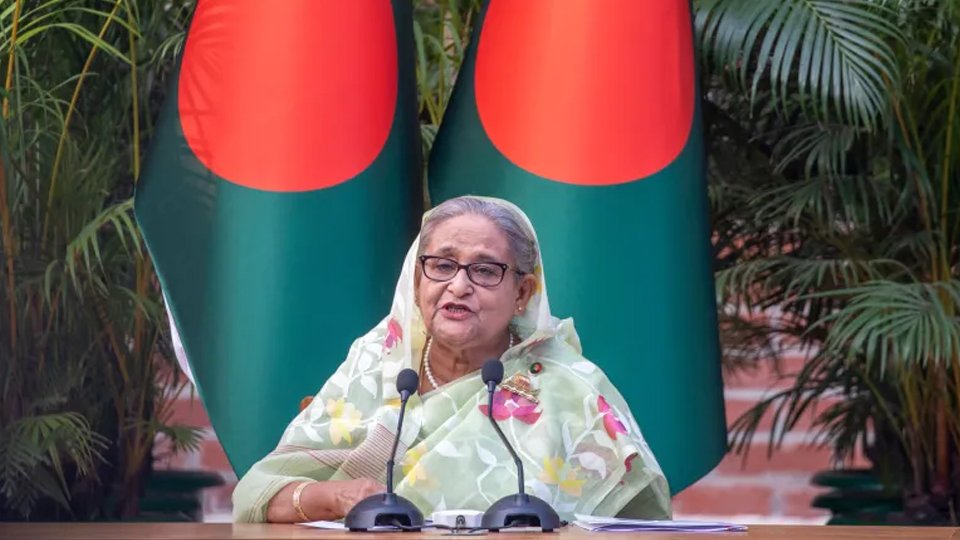
Five charges that sealed Hasina’s fate
The tribunal convicted Sheikh Hasina on the following five charges:
-
Ordering police to open fire on student and youth protestors during the July 2024 anti-government movement, supported by phone records and witness testimony.
-
Delivering incendiary and inflammatory speeches that destabilized the situation and escalated violence nationwide.
-
Direct involvement in the killing of Abu Sayeed, a student of Begum Rokeya University in Rangpur.
-
Directing security forces to shoot and kill six protestors in Dhaka’s Chankharpul area.
-
Ordering the burning to death of six individuals in Ashulia during the height of the uprising.
The tribunal said video footage, eyewitness accounts and forensic reports conclusively showed that the attacks were pre-planned, coordinated, and executed under political direction.
As the court delivered its final ruling—death sentence for Sheikh Hasina and Asaduzzaman Khan, and five years’ imprisonment for Abdullah Al-Mamun—the courtroom reportedly erupted in applause before the judges asked everyone to remain calm.
A verdict with far-reaching political consequences
The ruling marks one of the most consequential moments in Bangladesh’s political history. For the first time, a former prime minister has been sentenced to death by an international tribunal operating within the country’s judicial system. Human rights groups and international observers are now closely watching how the next phase unfolds.
More than 1,500 people were killed during the July uprising, prompting global concern. Today’s verdict—declaring that political orders directly triggered mass killings—may reshape how Bangladesh confronts issues of accountability and state violence.
But the verdict also raises pressing geopolitical questions:
-
What will happen to Sheikh Hasina, now residing in India?
-
Will Bangladesh formally request her extradition?
-
How will India respond, given its long-standing diplomatic ties with Hasina?
-
Could this verdict inflame political and ideological tensions across the region?
For now, South Asia waits. The next steps—whether legal, diplomatic, or political—could determine not just Sheikh Hasina’s fate, but the future direction of Bangladesh itself.