
The latest India CPI Update for October highlights one of the sharpest and most puzzling declines in retail inflation in more than a decade. According to official data, overall inflation fell to 0.25%, the lowest level since at least January 2012. On the surface, the headline number appears encouraging, but a deeper examination of the India CPI Update reveals that this dramatic drop is more of a statistical illusion than a sign of real relief for consumers.
The biggest contributor to this anomaly is the food and beverages category, which recorded a 3.7% decline, the largest drop in the history of the CPI’s current series. However, the India CPI Update shows that this fall is not due to food prices actually coming down. Instead, the main reason is the exceptionally high food inflation of 9.7% recorded in October last year. This steep base ensured that food inflation turned negative this year, even though market prices—especially vegetables—have been rising in recent weeks.
India CPI Update: Inflation Drops to 0.25%—But the Real Story Is Alarming
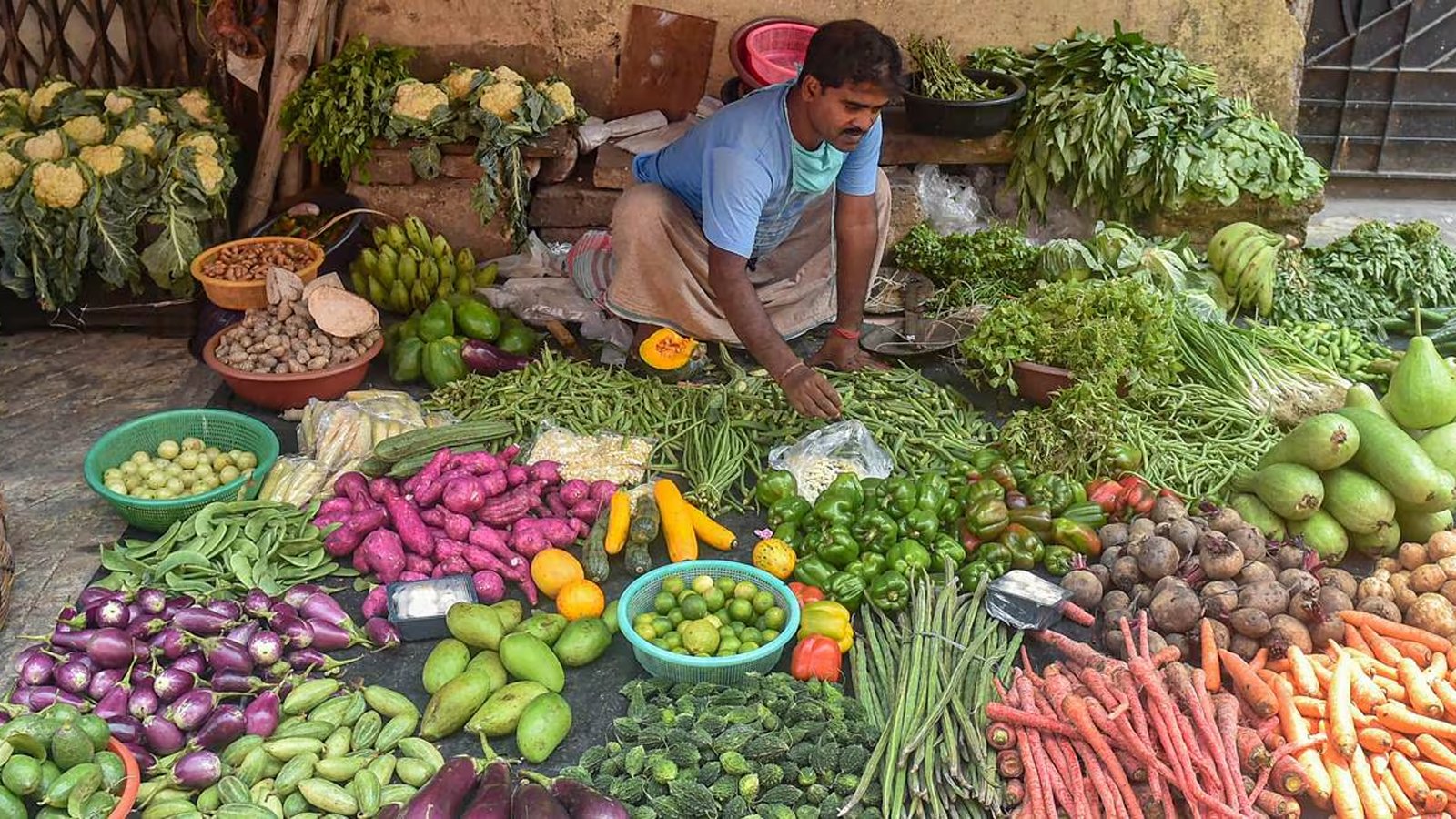
With food and beverages accounting for nearly 46% of the total CPI basket, this statistical distortion in the India CPI Update pulled the entire index down. In reality, inflation in almost all other categories — fuel and light, housing, tobacco, and miscellaneous services — was higher this October compared to last year. The only other category showing lower inflation was clothing and footwear, reflecting the impact of the recent GST rate cuts.
This widening gap between official data and lived experience exposes the flaws in the current inflation measurement system. The India CPI Update continues to rely on a base year of 2012, which no longer reflects present consumption patterns. The weightages in the CPI basket have also become outdated, causing the index to obscure economic reality instead of clarifying it. The disconnect becomes clearer when compared with the RBI’s household inflation survey in September, where consumers reported a perceived inflation rate of 7.4%, far from the 0.25% indicated in the CPI.
The urgency to overhaul the CPI system goes beyond public perception. The India CPI Update is the benchmark used by the RBI’s Monetary Policy Committee (MPC) to decide interest rates. The MPC meets again in December and faces a difficult decision: whether to maintain current rates or consider cuts to support economic activity. Growth indicators are already complicated by temporary boosts arising from GST rate adjustments. Now, with inflation data clouded by statistical anomalies, the risk of policy misjudgment grows even greater.
The Ministry of Statistics and Programme Implementation has announced that a revised CPI series will be released in the first quarter of the next financial year. But given the widening gap between measured and real inflation, experts argue that the update cannot come soon enough.
The India CPI Update for October serves as a reminder that headline numbers can be misleading. While inflation appears to be cooling dramatically, the underlying data suggests a far more complex and concerning economic picture—one that demands urgent and accurate recalibration.