International terror links emerge in Delhi blast probe — ‘Jihadi Doctor’ network uncovered
New Delhi, November 12: As the Delhi blast investigation deepens, investigators have unearthed a spine-chilling terror network that stretches beyond India’s borders. At the center of it all is a Kashmir-based cleric named Irfan, once a paramedical staff member at Srinagar Government Medical College — now accused of radicalizing educated youth and creating what officials call a “jihadi doctor network.”
According to intelligence sources, Irfan was the mastermind who used medical education as a front to recruit young, educated Indians into extremist ideology. His goal: to plant the seeds of “Ghazwa-e-Hind” among professionals who could operate as white-collar sleeper cells across India.
The making of the ‘jihadi doctors’
Investigators believe Irfan radicalized medical students by showing them Jaish-e-Mohammad propaganda videos and connecting them via encrypted calls with Afghan handlers.
Two of his closest disciples — Dr. Muzammil Ahmed and Dr. Umar Nabi, both arrested in the Red Fort blast case, were allegedly trained directly by Irfan. “He treated them as his most trusted recruits,” said an official.
The cleric’s strategy was simple yet dangerous — to build a new generation of educated extremists, capable of using intelligence, technology, and influence to spread jihad under the radar.
Bangladesh and Turkey connection: the global trail
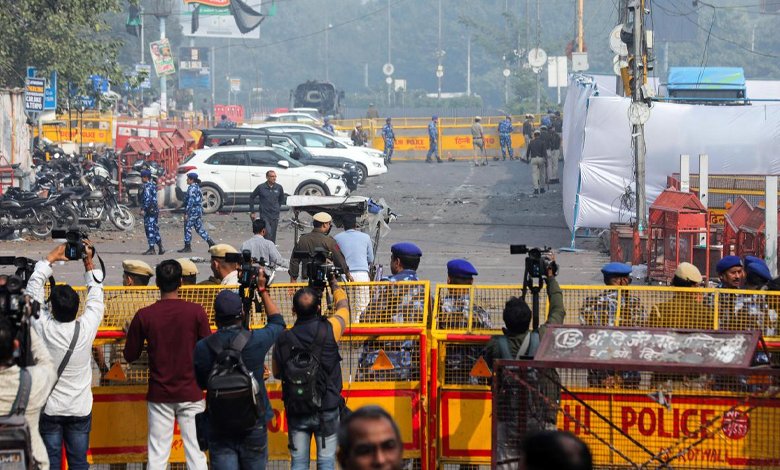
The Delhi blast terror network has now taken an international turn. Sources reveal that Muzammil and another accused, Adil, traveled to Turkey earlier this year, where they reportedly met foreign handlers and received operational instructions.
Investigators believe Turkey provided logistical and ideological support, while Bangladesh was used as a funding and recruitment hub. Some financial transactions linked to Dhaka-based entities are under scrutiny.
However, the Bangladesh government has officially denied any such involvement, calling the claims “unsubstantiated.”
Encrypted chats reveal shocking details
The interrogation of two female doctors arrested in the case has led to the recovery of nearly 400 lines of encrypted chat messages. These messages reportedly detail fund transfers, procurement of explosive materials, and discussions on safe houses in northern India.
One of the women allegedly received foreign remittances in 2023 and 2024 through online channels. Officials suspect the money originated from Middle Eastern or Turkish sources, routed through cryptocurrency or hawala networks.
A senior NIA officer said, “The financial pattern clearly indicates a foreign-sponsored terror operation disguised through legitimate online transfers.”
Republic Day and Diwali were the original targets
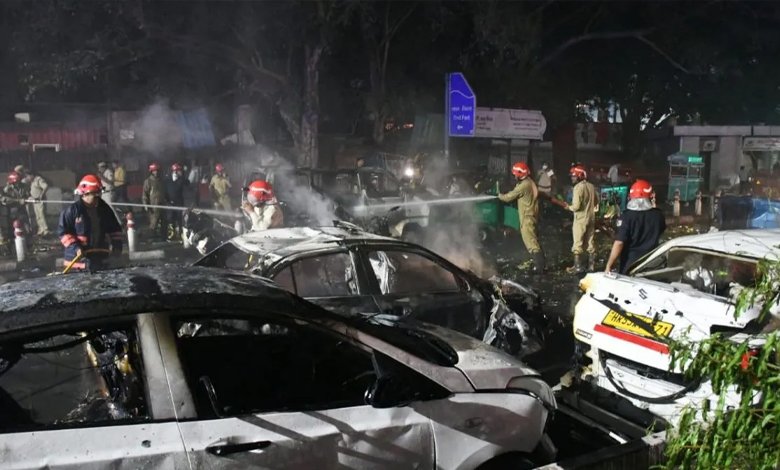
Shocking revelations from Dr. Muzammil’s interrogation suggest that the Red Fort explosion was not the primary plan. The group had initially plotted to bomb Delhi on Republic Day (January 26) — a symbolic attack aimed at the nation’s power center.
After that plan failed, they aimed to trigger a blast during Diwali, targeting crowded marketplaces. Security tightening forced them to postpone both operations, leading to the eventual accidental detonation near Red Fort.
Investigators believe the Delhi explosion was triggered prematurely during transport, rather than being a planned suicide attack.
Prime Minister Modi orders full probe into international links
Prime Minister Narendra Modi has directed agencies to “trace the roots” of the Delhi blast and ensure those responsible are brought to justice.
The NIA, Delhi Police, and intelligence units are now focusing on identifying the foreign handlers who guided the Indian operatives. Investigators say the Delhi blast was not an isolated event but part of a larger, coordinated jihadist campaign funded and guided from abroad.
A senior officer remarked, “This was not just an explosion. It was a signal — a test run for something bigger. And we intend to dismantle the entire network.”